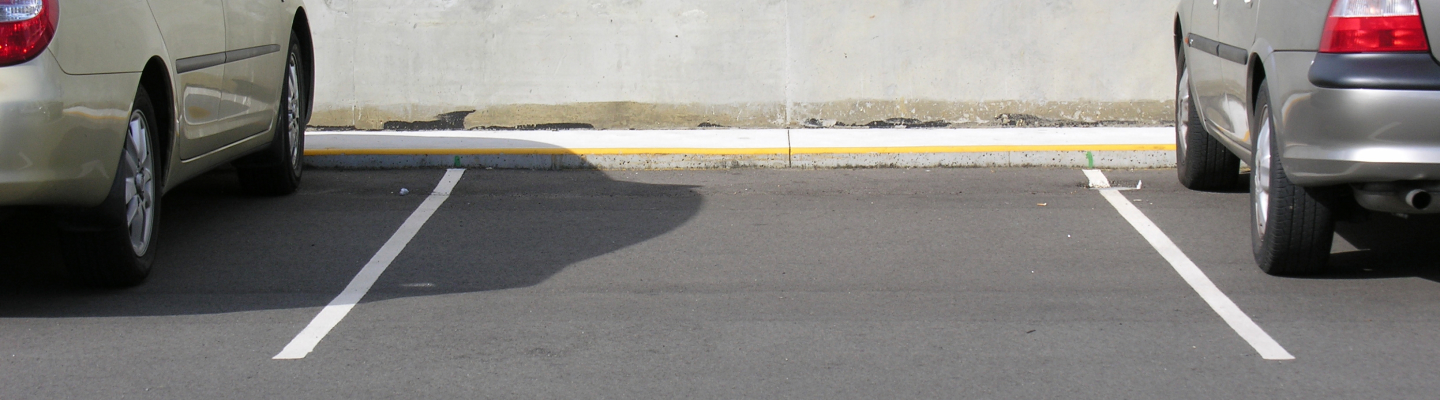
Occupiers' Liability - Slip/Trip & Fall*As an occupier, you and/or your organization are required to keep areas such as aisles, stairs, ramps, walkways, driveways and parking lots reasonably safe for persons who are using them. Some common hazardous conditions include:
Legal LiabilityAn occupier may be held liable for slips, trips and falls if he/she/it fails to provide a reasonable standard of care in keeping the premises free from hazards. In cases where there is more than one occupier – such as a landlord and a tenant or in the case of shared spaces – it is possible for liability to be shared. Who is held liable depends on the circumstances of the loss. The following are some of the criteria used to determine whether or not the appropriate standard of care was applied:
The best way to avoid liability is to prevent losses from occurring by diligently keeping premises free from hazards. This diligence, in combination with thorough and consistent documentation, will be one of the most effective ways to defend your organization against a claim or lawsuit should one occur. In the case of shared spaces or multiple occupiers such as a landlord and tenant, ensure that the lease agreement clearly states the responsibilities of each party. The agreement should state the areas each is responsible for, who is responsible for inspection, maintenance, repairs, etc., and the liabilities of each. Risk Management1. Develop and implement an Inspection and Maintenance Policy (click here for a sample) that states:
2. Use a regular and reasonable cleaning and maintenance program.
3. Perform inspections frequently for hazards or maintenance deficiencies. For example, spills and water at entranceways are common causes of slips, so regularly inspect for wet floors in high-risk areas such as entrances, bathrooms, and beverage-service areas. 4. Create a form to be used during inspections (click here for a sample). 5. Train employees/volunteers to identify and fix hazards. 6. When hazards are discovered, address them using methods such as:
7. Ensure all areas are adequately lit. 8. Use a non-slip floor treatment (especially when wet or greasy floors are inevitable). 9. DOCUMENT!! Keep records of inspections, repairs and the state of the premises.
Claims Handling1. Assist the injured person in finding medical treatment. For example, call an ambulance if necessary 2. Record the names and contact information of any witnesses. Obtain and record detailed descriptions of the incident from the victim and witnesses.
3. Refer any discussions with the claimant to your insurer. It is wise to tell employees and/or volunteers that they should not discuss liability with potential claimants and that they should NEVER ADMIT LIABILITY!!! 4. Instruct employees and volunteers to never admit fault on behalf of the organization. They should say “I’m not permitted by my employer to discuss the circumstances of the incident. I will, however, be reporting the incident immediately, and an authorized person will contact you.” 5. Take pictures of the area where the incident occurred. If possible, photograph the footwear that the claimant was wearing. 6. Complete an incident report. (Click here for a sample.) Documenting the incident may help to establish a defense for a claim presented at a later date, help analyze the cause of the incident and help recommend risk management improvements to prevent similar incidents in the future. 7. Report the incident to your insurer. Provide them with:
8. Investigate potential causes and take steps to prevent and/or respond better to similar incidents in the future. Additional ResourcesThe provinces listed below have occupiers’ liability legislation. Click on the adjacent link to view that province’s legislation. The other common-law provinces interpret the law of occupiers’ liability based on legal precedent and the laws of negligence, while in Quebec it is codified in the Civil Code. Alberta British Columbia http://www.qp.gov.bc.ca/statreg/stat/O/96337_01.htm Manitoba Nova Scotia http://canlii.org/ns/laws/sta/1996c.27/20050511/whole.html Ontario Prince Edward Island |
|||||||||
|
|||||||||