
“Hey, can I borrow your car?”
Lending your car may seem like doing a simple favour, but before you hand over your keys, learn what lending your vehicle could mean for you and your insurance.
This four-step guide will help you make an informed decision about lending your car.
1. Know the risks
One of the most common misconceptions about auto insurance is that it follows the driver. But typically, insurance follows the vehicle. Understanding how insurance follows the vehicle when you lend your car can help you make a more informed decision before handing over your keys.
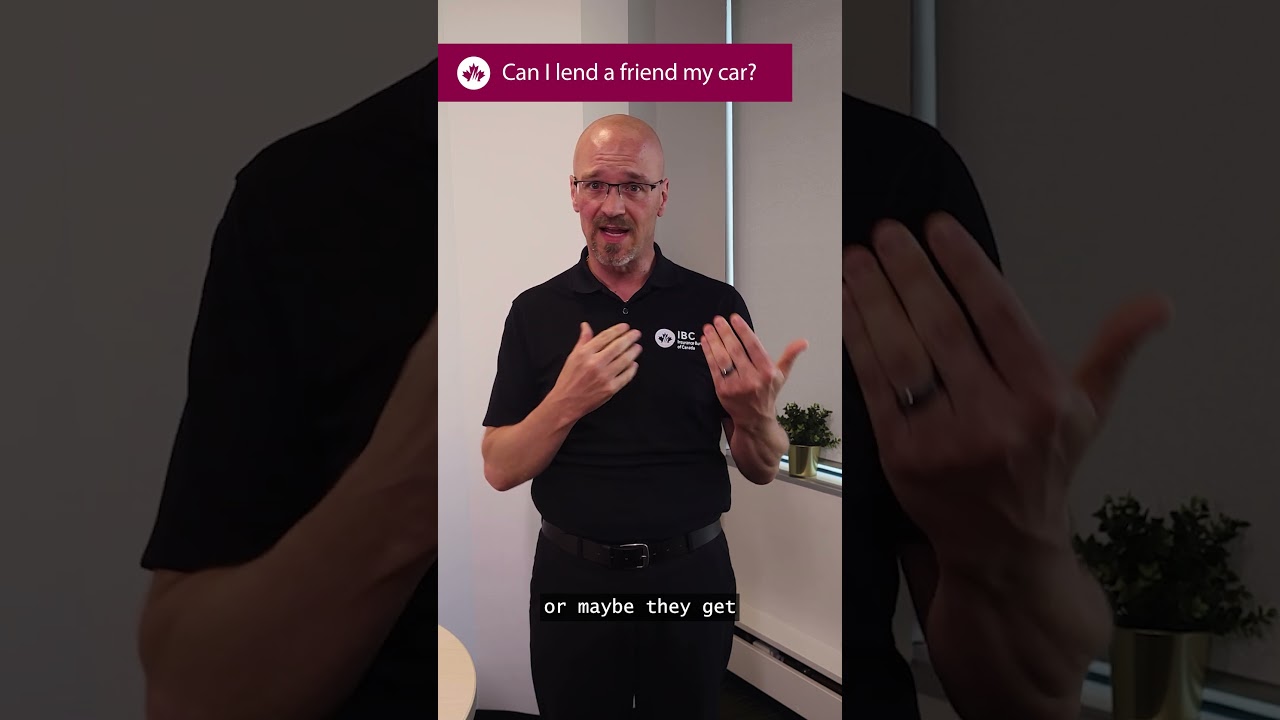
This means that if someone borrows your car and gets into a collision, your auto insurance policy will likely pay out.
If a collision occurs, you might:
Need to pay a deductible for the claim
Have your claim history affected
Face future premium increases
Be on the hook for liability costs that exceed your policy limits.
Before lending your vehicle, ask yourself if you’re willing to accept these risks.
2. Know who wants to borrow your car
Not everyone carries the same level of risk behind the wheel. Driving behaviour varies, and so does the likelihood of a collision.
Before lending your vehicle, ask a few important questions:
Does the borrower have a valid driver’s licence?
Are they an inexperienced driver?
Have they had multiple collisions or traffic tickets?
Will they be driving responsibly?
Risky behaviours – such as impaired driving, reckless driving, driving without a valid licence or using your vehicle for illegal activities – can lead to serious consequences.
Newer drivers require additional consideration, as limited driving experience can increase the risk of a collision. Provincial rules also vary, particularly when it comes to young or newly licensed drivers and lending vehicles. Before lending your vehicle to a newer driver, check with your provincial transportation authority.
Also, unless you have a commercial insurance policy, your auto policy will not cover business activities, such as ride sharing or making deliveries. Understanding the difference between personal and commercial auto insurance coverage can help ensure your vehicle is being used appropriately. The borrower should only use your vehicle for personal use.
3. Determine if the borrower will be an occasional or regular driver
How often someone will use your car matters.
Occasional drivers may borrow your vehicle for a one-off trip or use it for errands once in a while. Regular drivers, however, may drive your car several times a week or use it for their daily commute. They may ask to hang on to your spare keys.
Family and household members are not automatically listed on your policy simply because they live with you. If someone regularly drives your vehicle, you must disclose this to your insurer.
Failing to tell your insurer about someone with regular access to your vehicle could create complications if a claim occurs.
4. Keep your insurer in the loop
A little preparation can help avoid setbacks. If you plan to lend your vehicle, speak with your insurance representative to see if there are considerations specific to your policy.
Before lending your car:
Consider how this may impact your insurance.
Determine whether the borrower will be an occasional or regular driver.
Ensure you know what the borrower intends to do with your vehicle.
Know what your policy covers and contact your insurer if you have questions.
Lending your car may be a kind gesture, but it can have severe consequences. Understanding your insurance and being intentional about who uses your vehicle can help you avoid unexpected complications down the road.
)
)
)