
Insurance plays an important role in helping protect the things you treasure most – your home, car and business.
The right information can help you understand your coverage and know what to expect if you make a claim.
Here are definitions of some common insurance terms to help you better understand your policy.
1. What is insurance?
Insurance is a contract between you and an insurance company that helps protect you financially after an unexpected event. In exchange for your premium, your insurer agrees to provide financial protection for the losses or liabilities that are covered by your policy.
2. What is an insurance policy?
An insurance policy is a legally binding contract between you and your insurance company. It outlines what is covered, the terms and conditions of your coverage, policy limits, exclusions, and other details.
3. What’s the difference between an insurer and an insured?
An insurer is an insurance company providing coverage. An insured is a person or organization that a policy covers.
4. What is a policy limit?
A policy limit is the maximum amount an insurer will pay under a policy, either overall or for a particular type of coverage.
5. What is coverage?
Coverage refers to the risks, losses or circumstances your insurance policy protects you against. Different policies offer different types and amounts of coverage; consequently, it is important to understand what your policy does and does not cover.
For example, damage to vehicles from wind or water may be covered if you purchased the optional coverage (comprehensive and/or all perils coverage) as part of your policy.
6. What is a premium?
A premium is the amount you pay for your insurance coverage over a specific period of time. Your premium can vary depending on factors such as the type of insurance, the coverage you choose, and the claims history of your area.
7. How is my premium used?
When you buy insurance, the money you pay – your premium – is put into a large pool with the money many others pay. That pool of money helps pay insured people who suffer a financial loss in that year. Financial payments for these losses are called claims. Learn more about how it works here.
8. What is a deductible?
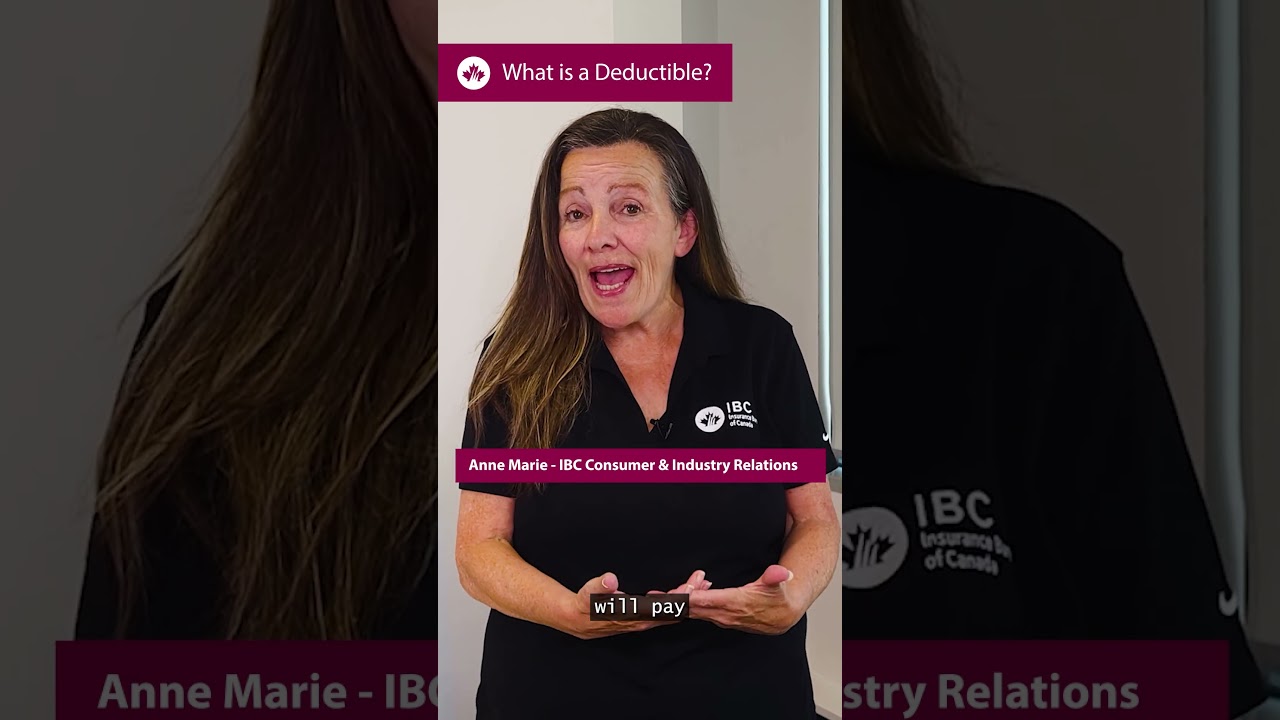
A deductible is the amount you agree to pay toward a covered claim before your insurance company pays the remaining eligible amount. Be aware that if you are in a collision, whether you are at fault or not does not affect the amount of your deductible.
For example, if your deductible is $500 and your insurer determines that a claim you submitted is worth $2,000, you will receive $1,500 (that’s $2,000 minus $500).
9. What is an exclusion?
An exclusion is something your insurance policy specifically does not cover. Policies can exclude certain risks, types of property or circumstances. It is important to understand what exclusions are in your policy.
For example, a common exclusion is damage caused by normal wear and tear.
10. What is a claim and who is a claimant?
A policyholder makes a claim when they seek payment for a loss they believe may be covered in their insurance policy. Reporting a possible loss can constitute a claim, even if it doesn’t ultimately result in a payment. A claimant is the individual or organization who makes a claim.
11. What is an endorsement?
An endorsement is an amendment added to an insurance policy that changes, adds to, removes from, or modifies the policy’s original terms or coverage.
12. What’s the difference between an insurance broker and an insurance agent?
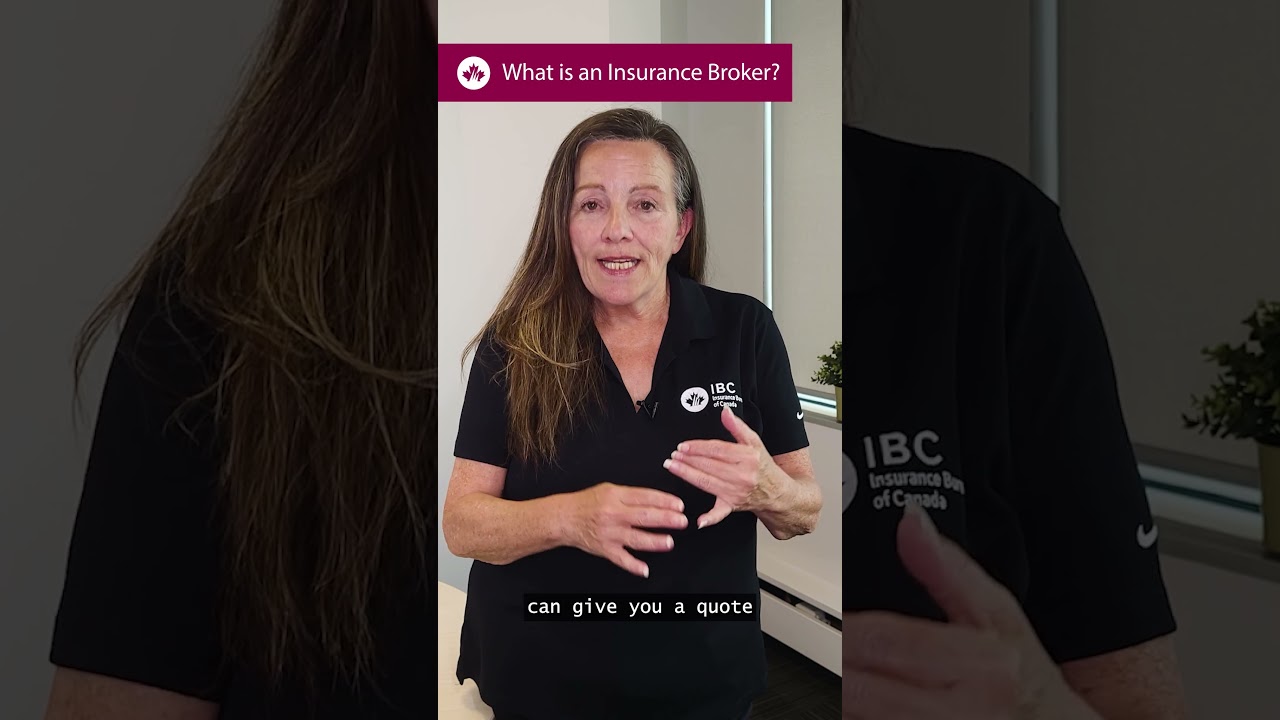
An insurance broker is a licensed individual or firm that acts on behalf of the person seeking insurance. An insurance agent is licensed and authorized to act on behalf of another party, such as an insurance company.

Simply put, a broker helps you find insurance from a variety of insurers, while an agent represents one insurer.
13. What does an insurance adjuster do?
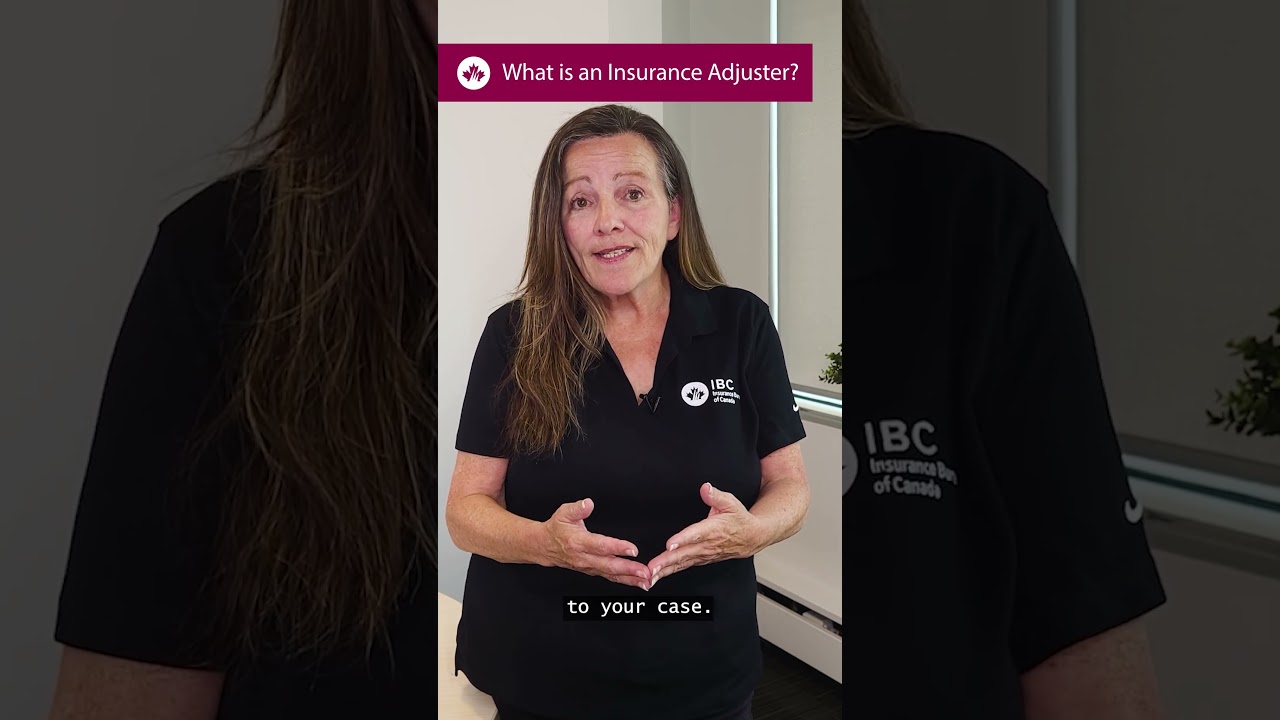
An insurance adjuster investigates insurance claims, assesses what happened and makes recommendations about whether a claim is covered in a policy. If it is covered, an insurance adjuster determines how much the insurer is obligated to pay the insured.
Know Your Policy
Insurance is a significant investment, and your policy is a legal document. Take the time to review what is, and is not, included in your coverage. If anything is unclear, your insurance representative should be your go-to resource for answering questions about your specific policy. For additional help and resources, contact IBC’s Consumer Information Centre at 1-844-2ask-IBC (1-844-227-5422).
)
)
)